
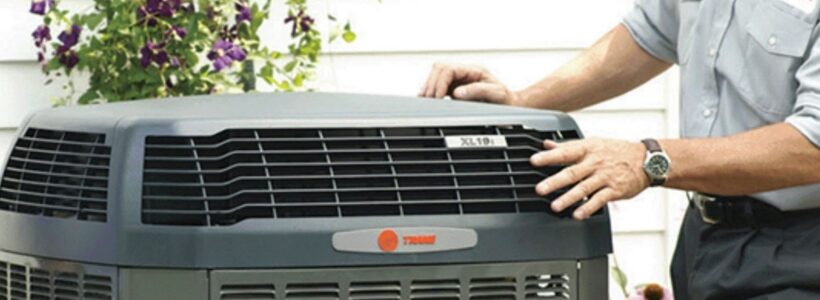
Your air conditioner is one of the most heavily used systems in your home during summer, yet it is often the most neglected during the months leading up to it. After staying inactive or underused in winter, the system may develop hidden inefficiencies that are not immediately visible. When switched on during peak heat, these issues can quickly turn into performance problems or complete system failure.
Many homeowners delay servicing until summer begins, which creates unnecessary risks. At that point, HVAC companies are already dealing with high demand, making it harder to schedule timely AC maintenance or repairs. This delay can result in discomfort, higher costs, and avoidable stress.
Spring offers a balanced window where your AC system can be properly inspected, cleaned, and optimized. Servicing during this time ensures your unit is ready for continuous operation, improves efficiency, and reduces the chances of breakdowns. Taking early action is not just about maintenance, it is about ensuring consistent comfort and long-term system reliability.
Avoid the Summer Rush
High Demand During Peak Season
As temperatures rise, air conditioners start running across households, leading to a surge in service requests. This sudden demand often overwhelms HVAC providers, making it difficult to secure quick appointments.
In many cases, homeowners experience:
- Delayed service scheduling
- Longer waiting periods for repairs
- Limited availability of technicians
These delays can become particularly inconvenient if your system stops working during extreme heat.
Benefits of Early Scheduling in Spring
Spring provides a much more manageable environment for scheduling maintenance. Since demand is lower, technicians can dedicate sufficient time to thoroughly inspect your system.
This ensures:
- Detailed system evaluation rather than rushed servicing
- Flexible appointment scheduling
- Faster resolution of any detected issues
Early servicing eliminates last-minute pressure and ensures your AC is ready before temperatures peak.
Improve Energy Efficiency Before Peak Usage
How Maintenance Impacts Efficiency
An air conditioner relies on clean and properly functioning components to operate efficiently. When parts like filters and coils accumulate dust, the system has to work harder to achieve the same level of cooling.
This increased workload leads to higher energy consumption and unnecessary strain on internal components.
Key Areas That Affect Efficiency
During spring servicing, technicians focus on improving system efficiency by addressing:
- Airflow restrictions caused by dirty filters
- Reduced heat transfer due to clogged coils
- Incorrect thermostat calibration
Restoring these elements helps your system run smoothly and maintain consistent cooling without excessive energy use.
Long-Term Cost Benefits
Improved efficiency directly impacts your monthly utility bills. A well-maintained AC system consumes less electricity, especially during the months when it runs continuously.
Over time, this leads to noticeable savings and reduces the overall cost of operating your cooling system.
Identify and Fix Issues Early
Why Early Detection Matters
Most AC problems do not appear suddenly. They develop gradually and become more noticeable when the system is under stress. Identifying these issues in spring prevents them from escalating during summer.
Common Issues Found During Spring Servicing
Technicians often identify hidden problems such as:
- Low refrigerant levels affecting cooling performance
- Loose or worn electrical connections
- Minor leaks in the system
- Dirt accumulation in critical components
Addressing these early ensures the system performs reliably when needed.
Preventing Costly Repairs
Ignoring small issues can lead to major repairs later. For example, a minor refrigerant leak can eventually damage the compressor, which is one of the most expensive components to replace.
Spring servicing helps prevent such scenarios by resolving problems at an early stage.
Extend the Lifespan of Your AC System
Reduced Wear and Tear
When an AC system operates under strain, its components wear out faster. Poor maintenance forces the system to work harder, increasing the risk of breakdowns.
Regular servicing ensures that all parts function efficiently, reducing unnecessary stress on the system.
Consistent Performance Over Time
A well-maintained system not only lasts longer but also performs consistently throughout its lifespan. It maintains stable cooling, avoids sudden failures, and requires fewer repairs.
Protecting Your Investment
Air conditioners represent a significant investment. Extending their lifespan through proper maintenance helps you get the most value out of your system and delays the need for replacement.
Better Indoor Air Quality in Warmer Months
Impact of Dirty Components
Over time, dust, pollen, and other particles accumulate in filters and ducts. When the AC runs, these contaminants are circulated throughout your home.
This can lead to discomfort, allergies, and reduced air quality.
How Servicing Improves Air Quality
Spring servicing includes cleaning or replacing filters and ensuring proper airflow. This reduces the presence of airborne particles and improves overall indoor air conditions.
Cleaner air contributes to a healthier living environment, especially during months when windows remain closed.
What’s Included in a Professional AC Service
Inspection and Cleaning Process
A professional AC service involves a detailed inspection of all major components. Technicians ensure that each part is functioning correctly and efficiently.
This process typically includes:
- Checking refrigerant levels
- Cleaning condenser and evaporator coils
- Inspecting electrical connections
- Testing thermostat accuracy
System Optimization
In addition to inspection, technicians make adjustments to improve system performance. This includes calibrating controls, tightening connections, and ensuring proper airflow.
These steps ensure that your AC operates at its best during peak usage.
How Often Should You Service Your AC?
Standard Recommendation
Most air conditioning systems require servicing at least once a year. Spring is considered the best time as it prepares the system for heavy summer use.
Factors That Influence Frequency
Certain conditions may require more frequent maintenance, such as:
- High usage patterns
- Dusty or polluted environments
- Older systems with reduced efficiency
Regular evaluation helps determine the appropriate servicing schedule.
Additional Benefits of Spring AC Servicing
Improved Cooling Consistency
A serviced system distributes air more evenly, eliminating hot and cold spots within your home.
Quieter Operation
Cleaning and tightening components reduce noise, resulting in smoother and quieter operation.
Reduced Risk of Emergency Repairs
By addressing issues early, you minimize the chances of sudden breakdowns during extreme heat.
Conclusion
Spring is the most effective time to service your air conditioner, as it allows you to prepare your system before it is exposed to heavy usage. Early maintenance helps improve efficiency, extend system lifespan, and ensure consistent cooling throughout the summer.
By avoiding peak-season delays and addressing potential issues in advance, you can maintain a comfortable indoor environment without unexpected disruptions. Taking proactive steps now ensures your AC system remains reliable when you need it most.
FAQs
2. How does servicing improve energy efficiency?
Servicing cleans and optimizes key parts like filters and coils, allowing the system to run smoothly. This reduces strain, lowers energy use, and improves overall cooling performance.
4. How long does AC servicing take?
AC servicing usually takes about one to two hours, depending on the system’s condition and whether any repairs are needed.
5. Can servicing extend AC lifespan?
Yes, regular servicing reduces wear and tear, keeps components in good condition, and helps extend the overall life of your AC system.