
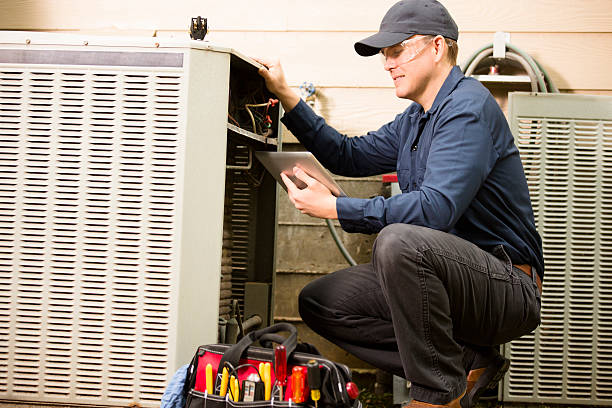
If you’ve been shopping for a new air conditioner or heard your HVAC technician mention R32 refrigerant, you’re probably wondering what it is and why it matters for your home comfort. This newer coolant is gaining traction across the industry because it’s more energy-efficient, better for the environment, and designed to meet stricter regulations that are phasing out older refrigerants. For homeowners in Canton and Cherokee County, understanding R32 means making smarter decisions when it’s time to replace an aging system or upgrade your cooling equipment. That said, working with any refrigerant requires specialized training, proper EPA certification, and the right tools. Installation and service should always be handled by licensed professionals. We’re here to walk you through what R32 is, why it’s becoming the new standard, and how it could benefit your home.
What Is R32 Refrigerant?
If you’re noticing your heating and cooling system isn’t performing the way it used to, or if you’re researching what’s inside your newer HVAC equipment, you’ve likely come across R32 refrigerant. This newer-generation coolant has become increasingly common in residential air conditioning systems over the past few years. We’re seeing more Canton homeowners ask about it when their systems need service or replacement.
R32 is a hydrofluorocarbon (HFC) refrigerant designed as a more environmentally responsible alternative to older coolants like R-22, which was phased out due to its impact on the ozone layer. What makes R32 especially appealing is its efficiency. According to Daikin Global, R32 can reduce electricity consumption by up to 10% compared to air conditioners using R-22 refrigerant. It also has a lower global warming potential than many previous-generation refrigerants. These environmental benefits align with ASHRAE’s refrigerant classification standards, which is why manufacturers have embraced it in modern equipment.
When we service HVAC systems at homes throughout Canton, our certified technicians check refrigerant type, charge levels, and system compatibility as part of every diagnostic inspection. Understanding what’s in your system helps us provide accurate service recommendations. Plus, it ensures your equipment runs safely and efficiently.
Why R32 Refrigerant Is Replacing Older Coolants
If you’re shopping for a new air conditioning system or hearing your HVAC professional mention R32, you’re witnessing a major industry shift. Environmental regulations and performance improvements are driving this change. The EPA has tightened rules on refrigerants with high global warming potential (GWP). R32 meets those standards with a GWP of 675—well under the 700 maximum threshold set for residential and light commercial systems as of 2025.
We’ve seen firsthand how older refrigerants like R-410A are being phased out across Canton, GA. R32 offers better energy efficiency, which means your system works less to cool your home. In fact, this improved performance naturally leads to potentially lowering your utility bills. The refrigerant also requires smaller charges due to superior heat transfer properties. When our technicians evaluate a system during routine maintenance or diagnose cooling issues, we now recommend R32-compatible equipment for homeowners planning replacements.
Understanding which refrigerant your system uses matters when you need service. If your AC is struggling to cool, making unusual noises, or you’re facing a refrigerant leak, the type of coolant affects repair options and costs. Our team can inspect your current system and explain whether R32 is the right choice for your next upgrade. We’ll also ensure any work meets current environmental standards.
Benefits of R32 in Your HVAC System
If you’re considering a new HVAC system for your Canton home, understanding the advantages of R32 refrigerant can help you make a smarter investment. According to the EPA, starting January 1, 2025, mini-split systems must use R-32 refrigerant to comply with federal requirements for new HVAC equipment. Beyond regulatory compliance, though, we’ve found that this newer refrigerant offers real-world benefits homeowners notice right away.
R32 delivers improved energy efficiency compared to older refrigerants. Your system works less to keep your home comfortable, and that translates to lower monthly utility bills. It also has a significantly lower global warming potential, making it a more environmentally responsible choice for families who care about their carbon footprint. From a performance standpoint, systems using R32 typically cool faster and maintain more consistent temperatures, even during Canton’s hottest summer days.
When our technicians install or service a system with R32, we also appreciate its safety profile. The refrigerant requires smaller charges, which reduces both cost and environmental impact. If you’re unsure whether your current system uses R32 or if upgrading makes sense for your home, give us a call. We can evaluate your setup and help you understand your best options.
Is R32 Right for Your Home Cooling Needs?
Switching to R32 refrigerant isn’t a simple swap. It requires careful evaluation of your existing HVAC system. This refrigerant operates at higher pressures than older alternatives, which means your current equipment may not be compatible without significant modifications or full replacement. We’ve seen homeowners assume any system can handle modern refrigerants. However, equipment designed for R-410A or older types often lacks the pressure ratings, compressor specifications, and oil compatibility needed for safe R32 operation.
When to Schedule a Professional Assessment
If you’re considering an upgrade or your current system needs major repairs, that’s the ideal time to have our team evaluate whether R32 equipment makes sense for your home. We’ll assess your existing ductwork capacity, electrical service, thermostat compatibility, and cooling load requirements. During this assessment, we examine whether your home’s infrastructure can support newer technology. We also calculate the long-term cost benefits versus your current setup.
Because R32 systems represent a significant investment, we provide honest guidance about timing. Sometimes waiting until your current system reaches end-of-life makes the most financial sense. Call Air Pro today to schedule a no-pressure consultation about your cooling options.
Working with R32 Requires Certified Professionals
Handling refrigerant isn’t just a technical skill—it’s a legal requirement that only EPA-certified technicians can perform. The Clean Air Act mandates that anyone who purchases, handles, or disposes of refrigerants like R32 must hold Section 608 or 609 certification. This federal regulation exists because improper refrigerant handling releases potent greenhouse gases. It also creates serious safety hazards including fire risk and oxygen displacement in enclosed spaces.
We frequently encounter homeowners who’ve attempted DIY refrigerant work after watching online videos. They often face expensive system damage, voided warranties, and potential fines. Our certified technicians carry specialized equipment to properly service your system. We verify that your indoor and outdoor units are compatible with R32 and ensure all work meets manufacturer specifications. Attempting refrigerant work without proper certification and tools can destroy your entire HVAC system.
When you need refrigerant service, trust Air Pro’s licensed professionals who understand both the technical requirements and legal obligations. We protect your investment, your safety, and the environment with every service call.
Get Expert Guidance on R32 Refrigerant Systems
Navigating the transition to R32 refrigerant or evaluating whether your current system is compatible doesn’t have to be confusing. At Air Pro, we understand that homeowners in Canton, GA have questions about refrigerant types, system efficiency, and when it’s time to upgrade. Our licensed technicians stay current on all refrigerant regulations. We can assess your specific HVAC system to determine the best path forward for your home’s comfort and budget.
Whether you’re experiencing cooling issues, planning a system replacement, or simply want to understand what refrigerant your unit uses, we’re here to provide clear answers. We’ll inspect your equipment and explain your options in straightforward terms. Then we’ll help you make informed decisions about repairs, conversions, or new installations. Our team can also verify that any refrigerant work complies with EPA regulations and manufacturer specifications—critical considerations that protect both your investment and your safety.
Don’t let refrigerant questions keep you from enjoying reliable cooling. Contact us today for a professional consultation, and we’ll help you understand exactly what your system needs to perform efficiently for years to come.
Frequently Asked Questions
Can I add R32 refrigerant to my existing air conditioner?
No, you cannot add R32 to a system designed for older refrigerants like R-410A or R-22. R32 operates at higher pressures and requires specific compressor types, oils, and components. Mixing refrigerants or converting incompatible equipment can cause catastrophic system failure. Our certified technicians can inspect your current system and recommend whether repair or replacement makes the most sense for your situation.
Is R32 refrigerant dangerous to have in my home?
R32 is classified as mildly flammable (A2L), but when properly installed and maintained by licensed professionals, it’s completely safe for residential use. Modern systems include built-in safety features that prevent leaks and detect issues before they become hazards. We follow strict installation protocols and conduct thorough leak testing to ensure your system operates safely. In fact, Regular professional maintenance keeps everything working as designed.
How much does an air conditioner with R32 refrigerant cost?
R32 system costs vary based on unit size, efficiency rating, and installation complexity. While upfront costs are comparable to other modern systems, you’ll likely see lower energy bills due to improved efficiency. Our team provides transparent estimates after evaluating your home’s specific cooling needs, ductwork, and electrical service requirements.
Will R32 refrigerant be phased out like R-22 was?
R32 meets current EPA regulations and has no scheduled phase-out date as of 2026. Because its global warming potential sits well below federal thresholds, it’s considered compliant for the foreseeable future. That said, regulations continue evolving, so we always recommend choosing equipment that meets the latest standards. Our technicians stay current on all refrigerant rules to help you make future-proof decisions.