
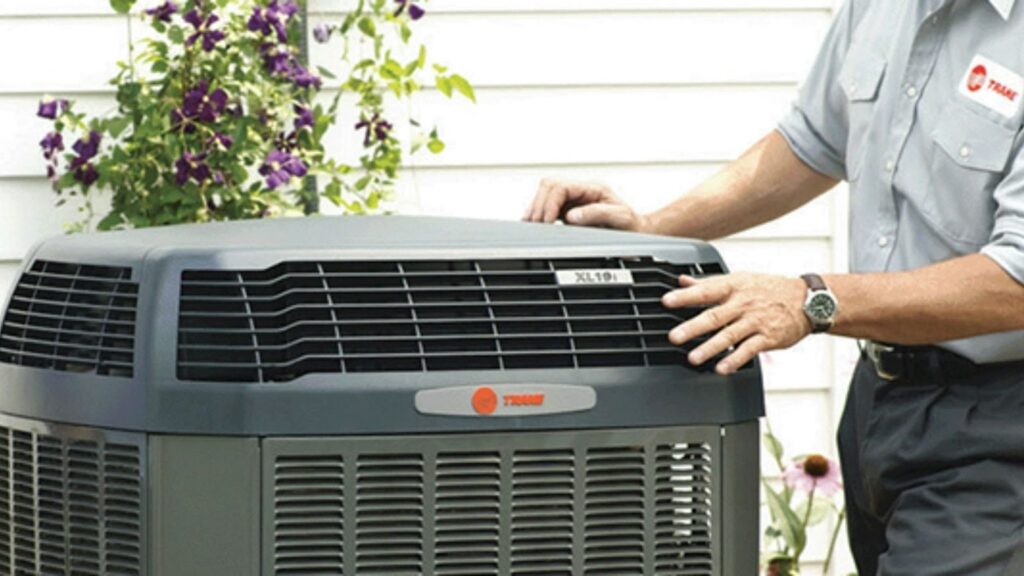
As the transition from cooler to warmer weather begins, your air conditioning system becomes essential for maintaining indoor comfort. However, after months of minimal use during winter, your AC may not be ready to handle the demands of summer without proper preparation. Many homeowners overlook early maintenance, assuming the system will function normally when needed. This often leads to reduced efficiency, unexpected breakdowns, and higher energy bills.
Spring is widely considered the best time to prepare your cooling system. Scheduling maintenance before temperatures peak allows you to identify potential issues early and ensure your system operates at optimal performance. It also gives you enough time to address any repairs without the urgency that comes with extreme heat.
A structured spring AC maintenance checklist helps you stay organized and ensures no critical component is ignored. From cleaning filters to inspecting internal parts, each step contributes to better airflow, improved energy efficiency, and a longer system lifespan. Whether you handle basic tasks yourself or rely on professional servicing, early preparation can make a noticeable difference in both comfort and cost throughout the summer season.
Why Spring AC Maintenance Matters
Air conditioning systems work hardest during summer, often running for extended hours to maintain indoor temperatures. Without proper maintenance, even a minor issue can escalate under continuous usage. This is why early servicing plays a critical role in preventing system failure when you need cooling the most.
One of the key benefits of spring maintenance is improved energy efficiency. When components such as coils, filters, and ducts are clean and functioning correctly, the system does not have to work as hard to cool your home. This directly translates to lower energy consumption and reduced utility bills over time.
Maintenance also helps extend the life of your AC unit. Systems that are regularly inspected and serviced tend to experience less wear and tear. Instead of dealing with frequent breakdowns or premature replacement, homeowners can rely on consistent performance for years.
Another important factor is indoor air quality. Dust, pollen, and other airborne particles can accumulate in your system over time. When the AC is turned on, these contaminants circulate throughout your home. Cleaning and maintaining the system ensures healthier and more comfortable indoor air during warmer months.
Complete Spring AC Maintenance Checklist
Replace or Clean Air Filters
Air filters are often the most overlooked part of an air conditioning system, yet they have a direct impact on both performance and air quality. When filters become clogged with dust and debris, airflow is restricted, making it harder for the system to circulate cool air.
Replacing or cleaning filters regularly allows air to flow freely, which improves cooling efficiency and reduces strain on the system. It also helps maintain cleaner indoor air, which is especially important for households with allergies or respiratory concerns. Checking filters at the start of spring and monitoring them throughout the season is a simple but effective step.
Inspect and Clean Coils
Your AC system relies on evaporator and condenser coils to transfer heat effectively. Over time, these coils collect dirt, which reduces their ability to absorb and release heat. When this happens, the system must work harder to achieve the desired temperature.
Cleaning the coils ensures efficient heat exchange and consistent cooling performance. While light cleaning can be done carefully, deeper cleaning should be handled by professionals to avoid damage. Keeping coils in good condition is essential for maintaining overall system efficiency.
Check Thermostat Settings
The thermostat acts as the control center of your cooling system. If it is not set correctly or functioning properly, your AC may run inefficiently or fail to maintain a consistent temperature.
Spring is a good time to review your thermostat settings and make adjustments based on your cooling needs. For homes with programmable or smart thermostats, setting schedules can help optimize energy usage. Ensuring accurate temperature readings also prevents unnecessary strain on the system.
Clear Debris Around the Outdoor Unit
The outdoor condenser unit requires sufficient airflow to operate efficiently. During fall and winter, debris such as leaves, dirt, and small branches can accumulate around the unit. This restricts airflow and reduces performance.
Clearing the area around the unit and ensuring adequate space allows it to function properly. Regularly checking for obstructions and maintaining a clean surrounding area can significantly improve efficiency and prevent overheating.
Inspect Refrigerant Levels
Refrigerant plays a vital role in the cooling process. If levels are too low, the system cannot effectively remove heat from your home. This often results in longer cooling cycles and uneven temperatures.
Signs of low refrigerant include reduced cooling performance and ice formation on coils. Since handling refrigerant requires specialized equipment and training, this step should always be performed by a qualified technician.
Check Electrical Components
Electrical connections and components are essential for safe and reliable operation. Over time, wires can loosen, and components such as capacitors may wear out.
Inspecting these elements helps prevent potential safety hazards and ensures the system operates smoothly. Any irregularities should be addressed promptly by a professional to avoid further complications.
Clean and Inspect Ductwork
Ductwork is responsible for distributing cool air throughout your home. Leaks, blockages, or buildup within ducts can reduce efficiency and lead to uneven cooling.
Inspecting ductwork for visible damage and ensuring it is clean allows air to move freely. This improves overall comfort and reduces the workload on your AC system.
DIY vs Professional AC Maintenance
While some AC maintenance tasks can be handled by homeowners, others require technical expertise. Simple steps such as replacing air filters, adjusting thermostat settings, and clearing debris around the outdoor unit can be done without professional assistance.
However, more complex tasks like checking refrigerant levels, inspecting electrical components, and deep cleaning internal parts should be performed by trained technicians. Professional servicing ensures that all components are thoroughly evaluated and maintained according to industry standards.
Combining basic DIY care with annual professional maintenance provides the best results in terms of performance, safety, and longevity.
Common Mistakes to Avoid During AC Maintenance
One of the most common mistakes homeowners make is skipping regular maintenance altogether. Waiting until a problem occurs often leads to higher repair costs and inconvenient breakdowns.
Another mistake is ignoring early warning signs such as unusual noises, weak airflow, or inconsistent cooling. These issues may seem minor initially but can quickly escalate if left unaddressed.
Using incorrect filters or neglecting airflow around vents can also impact performance. Ensuring proper maintenance practices helps avoid these problems and keeps the system running efficiently.
Benefits of Scheduling Early Maintenance
Scheduling maintenance in spring provides several practical advantages. Since demand for HVAC services is lower compared to summer, it is easier to book appointments at convenient times.
Early servicing also allows technicians to identify and fix issues before the system is used heavily. This reduces the likelihood of unexpected failures during peak heat.
In addition, a well-maintained system operates more efficiently, which can lead to noticeable savings on energy bills throughout the cooling season.
Conclusion
Preparing your air conditioning system before summer is a proactive step that ensures reliable performance when it matters most. Following a detailed spring AC maintenance checklist helps improve efficiency, reduce energy consumption, and prevent costly repairs.
By taking the time to inspect key components, address potential issues, and schedule professional servicing when needed, you can extend the lifespan of your system and maintain consistent indoor comfort. Early preparation not only enhances performance but also provides peace of mind as temperatures begin to rise.
FAQs
[sp_easyaccordion id=”21234″]