
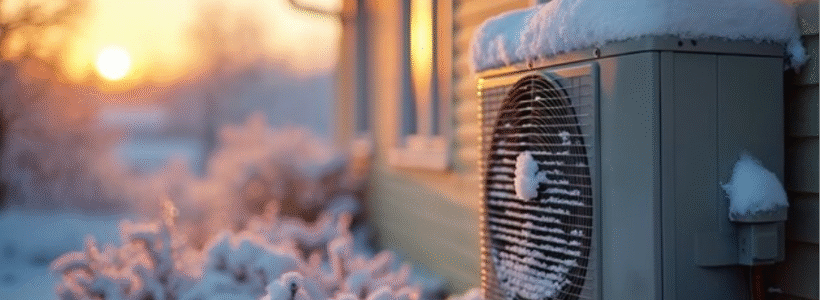
During winter, many homeowners notice frost or ice forming on their heat pump’s outdoor unit. This often causes concern, especially when temperatures drop and heating demand increases. However, what many people do not realize is that a heat pump freezing in winter is usually a normal part of its operation.
Understanding why this happens, how heat pumps manage ice buildup, and when freezing becomes a problem can help you avoid unnecessary worry and protect your heating system. In this guide, we explain how heat pumps work in cold weather, why frost forms, and what steps homeowners can take to ensure reliable performance throughout the winter season.
How Heat Pumps Work in Winter
A heat pump does not generate heat the same way a furnace does. Instead, it transfers heat from one place to another. Even when outdoor temperatures feel cold, there is still heat energy present in the air.
During winter operation:
- The outdoor unit pulls heat from the outside air
- Refrigerant inside the system absorbs this heat
- The heat is compressed and transferred indoors
- Warm air is distributed throughout your home
This process is energy efficient and works well in climates like Georgia, where winters are generally mild. However, pulling heat from cold air creates conditions that can cause frost to form on the outdoor unit.
Why Heat Pumps Freeze in Cold Weather
Moisture in the Air
Winter air often contains moisture, especially in humid regions. When this moisture comes into contact with the cold metal surface of the outdoor coil, it condenses and freezes. This is similar to frost forming on windows or vehicles overnight.
Heat Transfer Lowers Coil Temperature
As refrigerant absorbs heat from the outdoor air, the temperature of the coil drops. In many cases, it becomes colder than the surrounding air, which allows moisture to freeze directly onto the coil.
Normal Operating Conditions
Frost formation is a natural result of the heat pump doing its job. It does not indicate a malfunction or inefficiency on its own. Modern heat pumps are designed to operate safely and effectively in these conditions.
The Role of the Defrost Cycle
To manage frost buildup, heat pumps are equipped with an automatic defrost system. This feature ensures that ice does not accumulate to the point where performance is affected.
How the Defrost Cycle Works
- Sensors detect frost or temperature changes on the outdoor coil
- The system temporarily switches from heating mode to cooling mode
- Warm refrigerant flows through the outdoor coil
- Ice and frost melt away
- The system returns to normal heating operation
This process usually lasts only a few minutes and occurs only when needed. During defrost mode, you may notice steam rising from the outdoor unit. This steam is simply melted frost evaporating and is completely normal.
What Freezing Looks Like When It Is Normal
Homeowners often ask how much ice is acceptable. Some frost on the outdoor unit during winter is expected.
Normal signs include:
- A light layer of frost on the coil
- Ice that appears and disappears throughout the day
- Steam during defrost cycles
- The system continuing to heat the home effectively
As long as the ice clears on its own and indoor comfort is maintained, the heat pump is functioning as designed.
When Freezing Becomes a Problem
While some frost is normal, excessive ice buildup is not. Certain signs may indicate that the system is struggling.
Warning signs include:
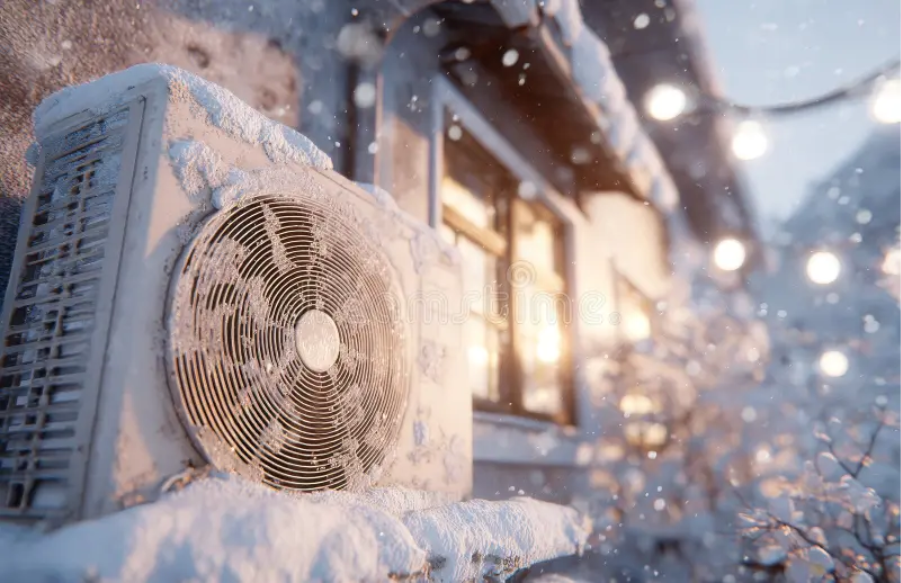
- Thick ice covering most of the outdoor unit
- Ice that does not melt after a defrost cycle
- Reduced heating performance indoors
- Weak airflow from vents
- Unusual noises or frequent system cycling
If you notice these issues, it is best to schedule a professional inspection.
Common Causes of Excessive Ice Buildup
Restricted Airflow
Leaves, dirt, or debris around the outdoor unit can block airflow. When airflow is limited, heat transfer becomes inefficient and ice accumulates faster.
Dirty Outdoor Coils
Dust and grime on the coil act as insulation, preventing proper heat exchange. This can cause the coil temperature to drop too low and freeze excessively.
Low Refrigerant Levels
Low refrigerant reduces the system’s ability to absorb heat. This causes the coil to become colder than normal and increases frost formation.
Defrost System Malfunctions
If sensors or controls fail, the defrost cycle may not activate when needed. This allows ice to continue building until system performance is affected.
Extended Cold Temperatures
Although heat pumps perform well in moderate winter climates, prolonged cold spells can increase frost formation. Even then, the defrost system should manage ice effectively when the system is in good condition.
Why You Should Not Remove Ice Yourself
It may be tempting to scrape ice off the outdoor unit or pour hot water on it. These actions can cause serious damage.
Potential risks include:
- Bent coil fins
- Cracked components
- Refrigerant leaks
- Electrical damage
Heat pump coils are delicate and require professional handling. Allow the defrost cycle to do its job or contact a trained technician if ice does not clear.
How to Prevent Excessive Freezing
While you cannot completely stop frost from forming, you can reduce the risk of excessive ice buildup.
Keep the Outdoor Unit Clear
Maintain at least two feet of open space around the unit. Remove leaves, branches, and debris regularly.
Change Air Filters Regularly
Dirty indoor filters restrict airflow and make the system work harder. Replacing filters every one to three months improves efficiency and helps prevent freezing issues.
Schedule Seasonal Maintenance
A professional inspection before winter ensures that coils are clean, refrigerant levels are correct, and defrost controls are working properly.
Monitor System Performance
Pay attention to changes in heating efficiency, airflow, or system noise. Early detection helps prevent costly repairs.
What to Expect From a Professional Heat Pump Inspection
When you schedule service with Air Pro Heating & Air, trained technicians will:
- Inspect the outdoor and indoor coils
- Test the defrost system
- Check refrigerant pressure and airflow
- Clean components as needed
- Ensure safe and efficient operation
Regular maintenance not only prevents freezing issues but also extends the life of your heat pump and improves energy efficiency.
When to Call Air Pro Heating & Air
Contact a professional if:
- Ice remains on the unit for extended periods
- Your home is not heating properly
- The system frequently shuts off or cycles
- You notice unusual sounds or performance changes
Prompt service helps prevent further damage and ensures consistent comfort throughout the winter.
Conclusion
Heat pumps freezing in winter is usually normal and expected. Frost forms as part of the heat transfer process, and built-in defrost systems are designed to manage it automatically. Understanding how your heat pump works can eliminate unnecessary worry and help you recognize when a real problem exists.
By keeping your system well maintained and knowing when to call a professional, you can rely on your heat pump to deliver efficient, dependable heating all winter long. For expert service and peace of mind, Air Pro Heating & Air is ready to help keep your home comfortable through every season.
Frequently Asked Questions
How long should ice stay on a heat pump?
Ice should melt within a few minutes during the defrost cycle. Ice that remains for long periods may indicate a system issue.
Why does my heat pump produce steam in winter?
Steam appears during the defrost cycle when melted frost evaporates. This is normal and expected.
When does heat pump freezing become a problem?
Freezing becomes a concern if ice covers the unit completely, does not melt, or affects indoor heating performance.
Can I remove ice from my heat pump myself?
No. Removing ice manually can damage the system. If ice does not clear, contact Air Pro Heating & Air for service.