Winter in Georgia may not be as harsh as in northern states, but cold spells and chilly nights still put a strain on your heating system. Proper HVAC winter prep Georgia is essential to ensure your home stays warm, your system runs efficiently, and unexpected repairs are avoided.
In this comprehensive guide, we will walk you through every step of preparing your heating system, performing inspections, checking safety measures, and optimizing efficiency. By the end, you will have a clear winter checklist to make sure your HVAC system is ready for the colder months.
Why HVAC Winter Prep in Georgia is Essential
Even mild winters can take a toll on an HVAC system. Many homeowners overlook preparation, leading to:
- Reduced efficiency, which increases energy bills
- Higher risk of unexpected breakdowns during cold weather
- Safety hazards due to neglected system components
- Shortened HVAC lifespan and costly repairs
Starting HVAC winter prep in Georgia before the cold season allows you to address potential issues early. It ensures your home remains comfortable and safe.
Step 1 – Schedule a Heating Inspection
A professional heating inspection is the foundation of winter preparation. A thorough inspection can identify hidden issues before they become major problems.
Inspect Your Furnace or Heat Pump
- Look for visible wear, corrosion, or rust
- Ensure the pilot light or electronic ignition system is working properly
- Check the thermostat and ensure it responds accurately to temperature adjustments
- Listen for unusual sounds that might indicate mechanical problems
Clean or Replace Filters
- Dirty filters reduce airflow and make your system work harder
- Replace standard filters every 1–3 months during peak use
- Consider high-efficiency filters to improve indoor air quality
Examine Ductwork
- Check for leaks, loose connections, or gaps
- Make sure ducts are insulated to prevent heat loss
- Seal gaps with appropriate materials to improve efficiency and comfort
Test System Performance
- Run the heating system before temperatures drop
- Make sure all rooms are receiving consistent warmth
- Pay attention to unusual vibrations, sounds, or odors
Professional inspections can catch issues such as worn belts, motor problems, or refrigerant leaks that homeowners may not notice. This ensures your HVAC system is fully prepared for winter.
Step 2 – Follow a Comprehensive Winter Checklist
A structured winter checklist ensures no important steps are missed and can guide both homeowners and professionals.
Exterior HVAC Maintenance
- Remove debris, leaves, or snow around outdoor units
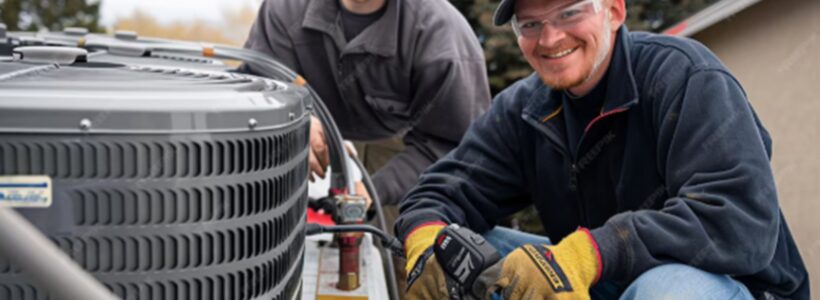
- Inspect the condenser unit for ice buildup, bent fins, or damage
- Ensure proper drainage around the unit to prevent water accumulation
Interior HVAC Preparation
- Clean air vents, registers, and baseboards
- Remove furniture or other obstructions near heaters
- Check carbon monoxide detectors for functionality
- Ensure that humidifiers or air purifiers connected to the system are cleaned and operational
Schedule Professional Maintenance
- Have an HVAC technician service your system for winter
- Maintenance includes cleaning coils, lubricating motors, and checking refrigerant levels
- Fix minor repairs such as faulty sensors or worn components to prevent bigger problems
Additional Winter Prep Tasks
- Insulate water pipes near heating units to prevent freezing
- Inspect attic, basement, or crawl space insulation
- Install weatherstripping on doors and windows to reduce heat loss
Following this winter checklist ensures your HVAC system runs efficiently and reduces the likelihood of emergency repairs during cold spells.
Step 3 – Prioritize Safety
Safety is a critical component of HVAC winter prep in Georgia. Neglecting safety can put your home and family at risk.
Check Carbon Monoxide Detectors
- Test detectors and replace batteries
- Install detectors near bedrooms, garages, or areas close to fuel-burning appliances
Inspect Electrical Connections
- Ensure all wiring is intact, secured, and free from frays
- Replace damaged wires to prevent short circuits or fire hazards
Clear Flammable Items
- Keep furniture, curtains, or paper products away from heaters or vents
- Store flammable liquids in a safe location away from heat sources
Chimney and Vent Inspections
- If you have a gas furnace, ensure venting systems are clear of obstructions
- Inspect chimneys for blockages or damage to avoid backdrafting or carbon monoxide hazards
Combining routine inspections with safety checks protects your family and ensures your heating system operates reliably.
Step 4 – Optimize HVAC Efficiency
Winter preparation is not just about safety; it is also about efficiency. Efficient systems save energy, reduce costs, and keep your home more comfortable.
Seal Gaps and Insulate
- Use caulk or weatherstripping on windows and doors
- Insulate attics, basements, and crawl spaces to retain heat
Upgrade Your Thermostat
- Install a programmable thermostat to maintain consistent indoor temperatures
- Set lower temperatures at night or when the house is empty to save energy
Maintain Proper Airflow
- Keep vents and registers free from blockages
- Ensure return air ducts are clear for optimal circulation
Schedule Regular Filter Changes
- Regular replacement of filters reduces strain on the system
- Clean filters improve air quality and system efficiency
Optimizing efficiency ensures your HVAC winter prep in Georgia provides maximum comfort with minimal energy waste.
Step 5 – Monitor Your HVAC System Throughout Winter
Winter preparation is an ongoing process. Even after completing your checklist, it is important to monitor system performance:
- Check your HVAC system weekly for unusual noises, uneven heating, or strange Odors
- Track energy bills for sudden spikes indicating system inefficiency
- Adjust thermostat settings to match occupancy and weather patterns
- Keep an eye out for ice buildup or leaks around outdoor units
Regular monitoring allows you to catch minor issues early and prevents emergency repairs during extreme weather.
Step 6 – Common Winter HVAC Issues in Georgia
Even with preparation, certain problems are more likely during Georgia winters:
- Frozen Pipes: Poor insulation can cause water pipes near heating systems to freeze
- Short Cycling: System turns on and off too frequently due to dirty filters or thermostat issues
- Uneven Heating: Caused by blocked vents or leaky ductwork
- Fuel or Energy Inefficiency: Increased energy costs due to outdated systems or poor maintenance
Addressing these issues as part of your HVAC winter prep Georgia plan ensures continuous comfort and safety.
Conclusion
Proper HVAC winter prep in Georgia ensures a warm, safe, and energy-efficient home during the colder months. By scheduling a heating inspection, following a comprehensive winter checklist, prioritizing safety, and monitoring your system throughout winter, homeowners can avoid costly repairs and enjoy uninterrupted comfort.
Starting early gives you peace of mind, prevents emergency breakdowns, and prolongs the life of your HVAC system. With proper preparation and regular maintenance, your home will remain cozy, safe, and energy-efficient all season long.
Winter is approaching, and taking action now ensures your HVAC system is ready for Georgia winter. Contact us today at Air Pros GA to schedule your HVAC winter preparation and ensure your home stays warm and safe all season.
Frequently Asked Questions
Can I perform HVAC winter prep myself?
Homeowners can handle basic tasks such as filter replacement, vent cleaning, and clearing debris. Professional inspections are recommended for safety and efficiency.
How do I know if my HVAC system is ready for winter?
Your system is winter-ready if it passes a full inspection, filters are clean, ducts are sealed, and it operates without unusual noises.
What is included in a winter HVAC checklist?
It includes cleaning vents, inspecting ductwork, checking carbon monoxide detectors, clearing debris from outdoor units, and scheduling professional maintenance.
Why is safety important during HVAC winter prep?
Safety prevents carbon monoxide leaks, fire hazards, and electrical issues while keeping your home warm and secure.