
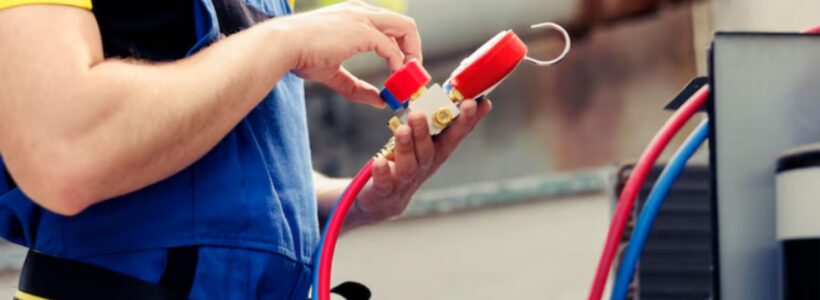
Knowing how to know when to replace HVAC GA is essential for homeowners in Georgia. Your heating and cooling system keeps your home comfortable year-round, but older furnaces and heat pumps can lose efficiency, break down frequently, and increase energy costs. Understanding the signs that indicate it’s time for a replacement can save you money and prevent unexpected system failures.
Understanding HVAC Lifespan
Most homeowners are unaware that HVAC systems have a limited lifespan. Here is what you should know:
- Furnaces: Traditional gas or electric furnaces usually last between 15 and 20 years. Older furnaces are more prone to inefficiency and breakdowns.
- Heat Pumps: A well-maintained heat pump can last 10 to 15 years. Its lifespan depends heavily on usage, climate, and maintenance frequency.
If your system is approaching these age ranges, it’s wise to start considering replacement options.
Common Old Furnace Issues
Older furnaces can cause a variety of problems that affect comfort, safety, and energy costs. Watch for these warning signs:
- Frequent Repairs: If you are calling a technician several times a year, costs are adding up. Frequent repairs are a clear signal that replacement may be more cost-effective.
- Uneven Heating: Rooms that are too hot or too cold indicate your furnace is struggling to maintain consistent temperatures.
- Strange Noises: Rumbling, banging, or squealing noises are signs of worn-out components.
- Rising Energy Bills: Older furnaces lose efficiency, leading to higher energy costs without improved comfort.
- Yellow Burner Flame: A yellow flame instead of blue may indicate incomplete combustion, which can produce dangerous carbon monoxide.
Heat Pump Replacement Signs
Heat pumps work differently than furnaces but also show clear signs when they are nearing the end of their lifespan:
- Insufficient Heating or Cooling: The system cannot maintain desired temperatures even after maintenance.
- Excessive Frost: Ice buildup on the outdoor unit is a sign of malfunction.
- Frequent Cycling: Turning on and off more often than normal reduces efficiency and indicates wear.
- Loud or Unusual Sounds: Grinding, squealing, or rattling noises can mean major internal issues.
- Refrigerant Leaks: A drop in refrigerant levels often signals the system is beyond simple repairs.
Repair vs Replace: Making the Decision
Deciding between repairing an old system and replacing it requires careful consideration. Ask yourself these questions:
- How old is the system? Older systems close to or beyond their expected lifespan are better replaced.
- Cost of repairs vs replacement: If the cost of a single repair is more than 50% of a new system, replacement is usually the better option.
- Energy efficiency: New systems use advanced technology, such as variable-speed motors and smart thermostats, reducing energy bills.
- Comfort and reliability: If your system cannot keep your home comfortable or breaks down frequently, replacement ensures peace of mind.
A professional HVAC technician can evaluate your system and provide an honest recommendation based on age, condition, and repair history.
Benefits of Replacing Your HVAC System
Replacing an old furnace or heat pump offers multiple advantages:
- Lower Energy Bills: Modern systems operate more efficiently, reducing monthly energy costs.
- Improved Comfort: New equipment provides consistent heating and cooling throughout your home.
- Enhanced Air Quality: Updated HVAC units often include better filtration systems to reduce dust, allergens, and humidity issues.
- Reliability: A new system lowers the risk of sudden breakdowns, especially during extreme weather.
- Smart Features: Many modern systems allow Wi-Fi connectivity and smart thermostat integration for better control.
Preparing for HVAC Replacement
To make the replacement process smooth, consider these steps:
- Schedule a Professional Inspection: A licensed HVAC contractor can assess your current system’s performance and determine if replacement is necessary.
- Research Energy-Efficient Options: Look for Energy Star-rated furnaces and heat pumps for maximum savings.
- Plan Your Budget: Consider the cost of equipment, installation, and any additional modifications. Financing options may be available.
- Choose a Trusted Contractor: Hiring experienced professionals ensures proper installation and long-term reliability.
Conclusion
Knowing when to replace your heat pump or furnace is crucial for comfort, safety, and energy efficiency. Look for signs such as frequent repairs, rising energy bills, uneven heating, and unusual noises. Compare repair costs with replacement options and consult a professional HVAC technician to make the best decision. Investing in a modern system provides reliable performance, lower energy bills, and improved home comfort.
Replacing your old HVAC system now can save money and prevent emergency breakdowns in the future. If you are experiencing these warning signs, contact Air Pros GA today for an inspection and replacement estimate.
Frequently Asked Questions
How do I know if my heat pump needs replacement?
Signs include insufficient heating or cooling, ice buildup, frequent cycling, loud noises, and refrigerant leaks.
Is it better to repair or replace my HVAC system?
If your system is near the end of its lifespan, requires frequent repairs, or is inefficient, replacement is usually the best choice.
Will a new HVAC system reduce my energy bills?
Yes. Modern systems are more energy-efficient, which can lower your monthly heating and cooling costs significantly.
Can I install a new furnace or heat pump myself?
No. HVAC installation requires professional expertise to ensure safety, proper airflow, and code compliance.