
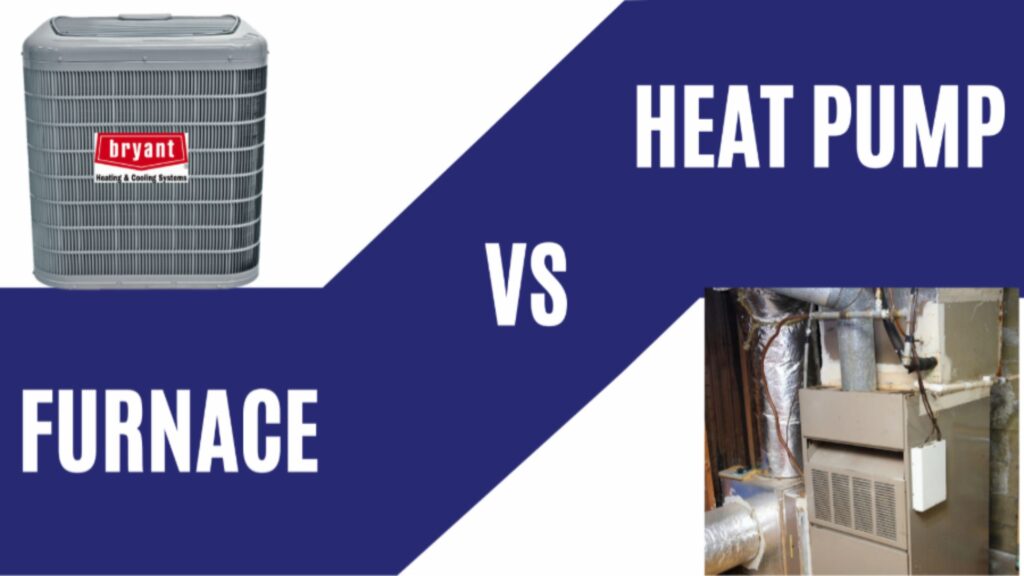
When it comes to keeping your home warm during Georgia winters, choosing the right heating system is crucial. Many homeowners face a dilemma: should they install a furnace or a heat pump? Each system offers unique benefits, and understanding their differences can help you make a smart decision. This guide explores the furnace vs heat pump Georgia debate, focusing on winter efficiency, heating cost comparison, system lifespan, comfort, and maintenance so you can choose the best solution for your home.
Understanding the Basics of Furnaces and Heat Pumps
Before comparing costs and efficiency, it’s essential to understand how these systems operate.
What is a Furnace?
A furnace is a traditional heating system that generates heat by burning fuel or using electricity. The heated air is then distributed throughout your home via ducts and vents. Furnaces are designed to deliver reliable warmth even during the coldest days.
Key features of furnaces:
- Uses natural gas, propane, or electricity
- Provides rapid, intense heat
- Effective in all winter temperatures
What is a Heat Pump?
A heat pump is a versatile system that transfers heat instead of generating it. In winter, it draws heat from outside air and brings it indoors. Modern heat pumps are designed to function efficiently even in cooler temperatures, making them suitable for Georgia’s mild to moderate winter climate.
Key features of heat pumps:
- Provides both heating and cooling
- Uses electricity to move heat
- Energy-efficient in mild winters
Furnace vs Heat Pump Georgia: Winter Efficiency
Efficiency is one of the most important factors when comparing furnace vs heat pump Georgia systems. Let’s examine how each performs during winter months.
Furnace Winter Efficiency
Furnaces are rated using AFUE (Annual Fuel Utilization Efficiency). High-efficiency furnaces can achieve up to 98% AFUE, meaning nearly all the fuel converts to heat. This makes furnaces extremely reliable in keeping homes warm during cold periods in Georgia.
Advantages:
- Consistent warmth even during sudden temperature drops
- Works efficiently regardless of outside temperature
Considerations:
- Older furnaces may consume more fuel and reduce efficiency
- Requires proper maintenance to sustain performance
Heat Pump Winter Efficiency
Heat pumps are rated using HSPF (Heating Seasonal Performance Factor). In Georgia’s mild winters, heat pumps are highly efficient. They transfer heat instead of generating it, consuming less energy and often lowering heating bills.
Advantages:
- Lower energy consumption and cost
- Can provide steady warmth throughout the home
- Dual-purpose for heating in winter and cooling in summer
Considerations:
- Performance may drop during rare freezing temperatures
- Might require a supplemental heating source
Heating Cost Comparison in Georgia
Evaluating heating cost comparison is essential when deciding between a furnace or heat pump.
Furnace Heating Costs
The cost of operating a furnace depends on fuel type, system efficiency, and the size of your home. Gas furnaces tend to be more economical than electric ones, but an older furnace may increase energy bills.
Average cost considerations:
- Gas furnaces: Moderate operating costs, especially with high efficiency
- Electric furnaces: Higher energy bills
- Maintenance and seasonal tune-ups help prevent extra costs
Heat Pump Heating Costs
Heat pumps usually provide lower heating costs in Georgia. Since they move heat instead of producing it, they consume less energy, making them more cost-effective during mild winters. Additionally, heat pumps eliminate the need for a separate cooling system, which further saves on energy bills year-round.
Average cost considerations:
- Energy bills are generally lower than electric furnaces
- Cost-effective dual function for heating and cooling
- May require less maintenance overall compared to older furnaces
Comfort and Temperature Control
Comfort is another key factor in choosing a heating system.
Furnace Comfort
Furnaces provide intense, rapid heat, which is ideal for sudden cold snaps in Georgia. Homes with ducted furnaces benefit from evenly distributed heat throughout all rooms, ensuring no area feels cold or drafty.
Advantages:
- Quick heat delivery
- Consistent indoor temperature
- Ideal for homes with larger spaces
Heat Pump Comfort
Heat pumps maintain steady indoor temperatures without the hot spikes that some furnaces produce. They are also less likely to dry out the air, improving indoor air quality. For most Georgia winters, a heat pump provides comfortable warmth without supplemental heat.
Advantages:
- Even, steady heating
- Can improve indoor air quality
- Energy-efficient, especially in mild winter climates
Lifespan and Maintenance Considerations
Both systems have different maintenance needs and lifespans, which can influence your decision.
Furnace Lifespan and Maintenance
Furnaces usually last between 15–20 years. Regular maintenance includes:
- Replacing filters
- Cleaning burners and heat exchangers
- Checking ductwork
Proper maintenance ensures efficient operation, reduces heating costs, and extends system lifespan.
Heat Pump Lifespan and Maintenance
Heat pumps typically last 10–15 years. Maintenance involves:
- Cleaning coils and filters
- Checking refrigerant levels
- Inspecting electrical components
Because heat pumps perform both heating and cooling, consistent maintenance is essential to keep efficiency high throughout the year.
Environmental Impact
If sustainability is a concern, a heat pump may be the better choice. Since it transfers heat rather than generating it, a heat pump uses less energy and reduces carbon emissions. Furnaces, particularly gas-powered ones, have a higher environmental impact but deliver unmatched reliability during colder days.
Key Factors in Making the Right Choice
When deciding between a furnace vs heat pump Georgia, consider the following factors:
| Factor | Furnace | Heat Pump |
| Winter efficiency | Excellent in all temperatures | Excellent in mild winter, moderate in freezing temperatures |
| Heating cost | Moderate to high depending on fuel | Lower due to energy efficiency |
| Lifespan | 15–20 years | 10–15 years |
| Maintenance | Moderate | Moderate |
| Comfort | Rapid, intense heat | Steady, even heat |
| Environmental impact | Higher | Lower |
| Dual functionality | Heating only | Heating and cooling |
- Choose a furnace if you want rapid, reliable heat during occasional cold snaps and prefer gas heating.
- Choose a heat pump if you want energy efficiency, lower heating costs, and the added benefit of summer cooling.
Advanced Considerations
Hybrid Systems
Some homeowners opt for a hybrid system that combines a heat pump with a furnace. This setup uses the heat pump during mild winter days and the furnace during extreme cold, offering both efficiency and comfort.
Tax Credits and Incentives
Georgia homeowners may qualify for energy efficiency incentives when installing high-efficiency furnaces or heat pumps. Check federal and state programs to reduce installation costs while improving home energy performance.
Smart Thermostats
Installing a smart thermostat can optimize performance for either system. It allows precise temperature control, schedules heating cycles, and can further reduce energy bills.
Conclusion
Choosing between a furnace vs heat pump Georgia comes down to winter efficiency, heating costs, comfort, and long-term goals. Furnaces provide rapid and reliable heat, making them ideal for cold snaps, while heat pumps offer energy savings and year-round versatility with heating and cooling. Consider your home size, climate, budget, and environmental preferences to make an informed choice that ensures comfort and efficiency during Georgia winters.
By carefully weighing these factors, Georgia homeowners can select the system that offers maximum comfort, optimal energy efficiency, and long-term savings. Whether you prioritize immediate heat from a furnace or year-round energy efficiency from a heat pump, making the right choice now will keep your home warm, cost-effective, and comfortable for years to come.
For expert guidance and to choose the right system for your home, contact us today.
Frequently Asked Questions
[sp_easyaccordion id=”20957″]