
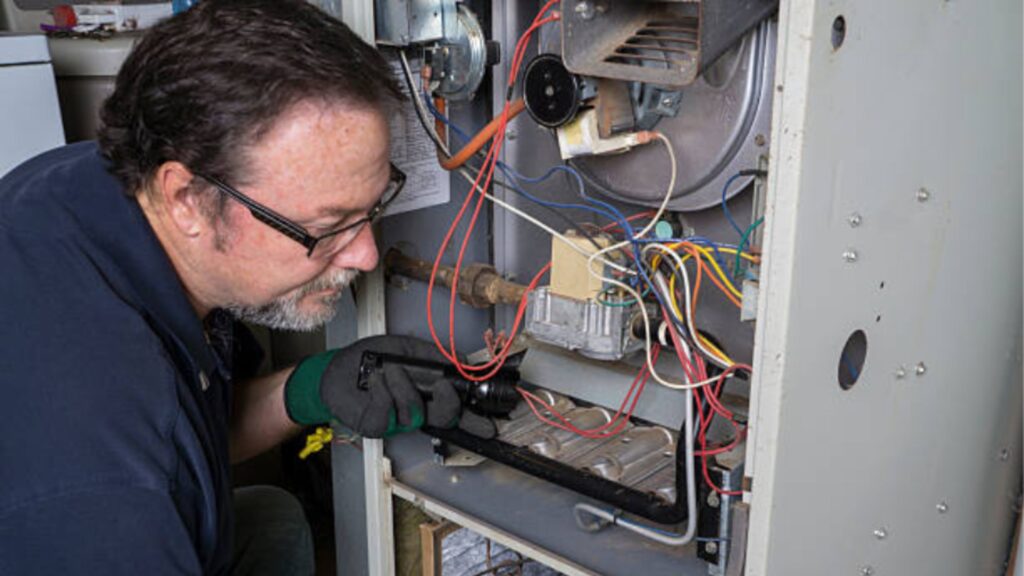
A furnace that turns on but fails to heat your home is one of the most frustrating winter problems for homeowners in Georgia. When outdoor temperatures drop, reliable heating is not optional. If your system is blowing air but your rooms stay cold, something is preventing proper heat production or distribution.
Understanding why a furnace is running without warming your home helps you act quickly, avoid unnecessary energy waste, and prevent costly emergency repairs. This winter troubleshooting guide explains the most common reasons a furnace is not heating and what you can do before calling a professional.
How a Furnace Produces Heat in Winter
Before troubleshooting, it helps to understand how your furnace works. In simple terms, a furnace follows this process:
- The thermostat signals the furnace to start heating
- Burners ignite and produce heat
- The heat exchanger warms the air
- The blower pushes heated air through ductwork
- Warm air flows through vents into your home
If any step in this process fails, your furnace may run but not heat your living space properly.
Thermostat Issues That Prevent Proper Heating
Thermostat issues are one of the most common reasons a furnace is not heating during winter.
Incorrect Thermostat Settings
Start with the basics. Make sure your thermostat is set to:
- Heat mode and not cool or fan only
- A temperature higher than the current indoor temperature
- Auto fan setting instead of on
A fan set to on can blow cool air even when the furnace is not actively heating.
Dead Batteries or Power Loss
Many thermostats rely on batteries. Weak or dead batteries can cause communication issues between the thermostat and furnace.
Replace batteries and check for display errors or blank screens.
Faulty Thermostat Calibration
If your thermostat is reading the wrong temperature, it may shut off heating too early. This leads to short cycles where the furnace runs but never delivers enough warmth.
If recalibration does not help, thermostat replacement may be necessary.
Airflow Problems That Trap Heat Inside the System
Airflow problems are another major reason a furnace runs but does not heat your home effectively.
Dirty or Clogged Air Filters
A clogged filter restricts airflow, causing warm air to back up inside the furnace. This can trigger safety shutoffs or limit heat delivery.
Signs of airflow problems include:
- Weak airflow from vents
- Uneven room temperatures
- Furnace turning on and off frequently
Filters should be replaced every one to three months during winter.
Blocked or Closed Vents
Closed or obstructed vents prevent warm air from reaching certain areas of your home. Furniture, rugs, or curtains can block vents without you realizing it.
Check all vents and ensure they are fully open and unobstructed.
Ductwork Leaks or Damage
Leaky ducts allow heated air to escape into attics or crawl spaces before reaching living areas. This makes it feel like the furnace is not heating even though it is working.
Duct inspections can identify leaks, disconnections, or insulation problems.
Burner Problems That Stop Heat Production
If airflow and thermostat settings are correct, the issue may be with the burners.
Dirty or Clogged Burners
Over time, burners can accumulate dirt, dust, or rust. This affects flame quality and reduces heat output.
Symptoms include:
- Weak or uneven flames
- Delayed ignition
- Furnace blowing lukewarm air
Professional cleaning restores proper burner operation.
Ignition System Failure
Modern furnaces use electronic igniters rather than pilot lights. A failing igniter can prevent burners from lighting even though the furnace appears to be running.
Without burner ignition, no heat is produced.
Gas Supply Issues
A partially closed gas valve or gas line issue can limit fuel flow. This results in insufficient heat production.
Gas related problems should always be handled by a licensed HVAC technician for safety reasons.
Faulty Heat Exchanger and Safety Shutoffs
The heat exchanger is a critical component that transfers heat from combustion gases to indoor air.
Cracked or Damaged Heat Exchanger
A cracked heat exchanger is a serious safety issue. Furnaces are designed to shut down heating if cracks are detected to prevent carbon monoxide exposure.
Signs include:
- Furnace running but not producing heat
- Frequent shutdowns
- Unusual smells or noises
If suspected, stop using the furnace and schedule an inspection immediately.
Blower Motor Issues Affecting Warm Air Delivery
Even if your furnace produces heat, a malfunctioning blower motor can prevent warm air from reaching your home.
Weak or Failing Blower Motor
A struggling blower motor may run but not at full capacity. This results in poor airflow and cold rooms.
Fan Limit Switch Problems
The fan limit switch controls when the blower turns on and off. If it malfunctions, the blower may activate without sufficient heat.
Professional diagnosis is recommended for electrical and motor issues.
When to Call a Professional for Furnace Not Heating Issues
While basic checks can solve minor problems, certain situations require expert service:
- Repeated furnace shutdowns
- Burning smells or gas Odors
- No heat despite proper thermostat settings
- Suspected burner or heat exchanger issues
Professional winter inspections help identify hidden problems before complete system failure.
How Winter Maintenance Prevents Heating Problems
Regular furnace maintenance reduces the risk of mid-winter breakdowns.
Benefits of seasonal maintenance include:
- Improved heating efficiency
- Fewer airflow problems
- Cleaner burners and components
- Longer furnace lifespan
- Lower heating bills
Annual maintenance is especially important in Georgia where furnaces may sit unused for long periods before winter demand increases.
Conclusion
When your furnace runs but does not heat your home in winter, the cause is usually linked to thermostat issues, airflow problems, or burners that are not functioning properly. Ignoring these signs can lead to higher energy bills, uncomfortable indoor temperatures, and unexpected system failures.
By understanding how your furnace works and recognizing early warning signs, you can take action before winter heating problems escalate. Regular maintenance and timely professional service remain the best ways to ensure reliable, efficient heating throughout the cold season.
If your furnace is not heating despite basic troubleshooting, professional inspection is the safest and most effective next step. Contact Air Pros GA today to schedule a furnace inspection and restore reliable warmth to your home before winter conditions worsen.
Frequently Asked Questions
[sp_easyaccordion id=”20963″]