
You’ve just bought your first home in Canton, or you’re finally replacing a patchwork of window units that have struggled through too many Georgia summers — either way, you’ve decided it’s time for central AC setup. Installing a full central air conditioning system isn’t like swapping out a part or topping off refrigerant. It’s a major investment that involves ductwork, electrical connections, equipment sizing, permits, and careful planning to ensure your home stays comfortable for decades. Every house is different — from square footage and insulation to ceiling height and window exposure — so central AC setup requires a trained professional to assess your specific needs, recommend the right equipment, and install it correctly the first time. We’ve helped hundreds of homeowners across Cherokee County navigate this process. We’re here to walk you through what to expect, what decisions you’ll need to make, and how to get started with confidence.
What Central AC Setup Involves
Installing a new central air conditioning system is far more than sliding equipment into place and flipping a switch. A proper central AC setup begins with a detailed assessment of your home—square footage, insulation levels, window types, ceiling height, and even how many people typically occupy the space. According to This Old House, licensed HVAC professionals rely on a Manual J load calculation to determine the precise cooling capacity your home requires. An oversized unit cycles on and off constantly, wasting energy and leaving humidity behind. An undersized system runs nonstop without ever reaching comfort.
For authoritative guidance, consult How To Install Central Air Conditioning – This Old House.
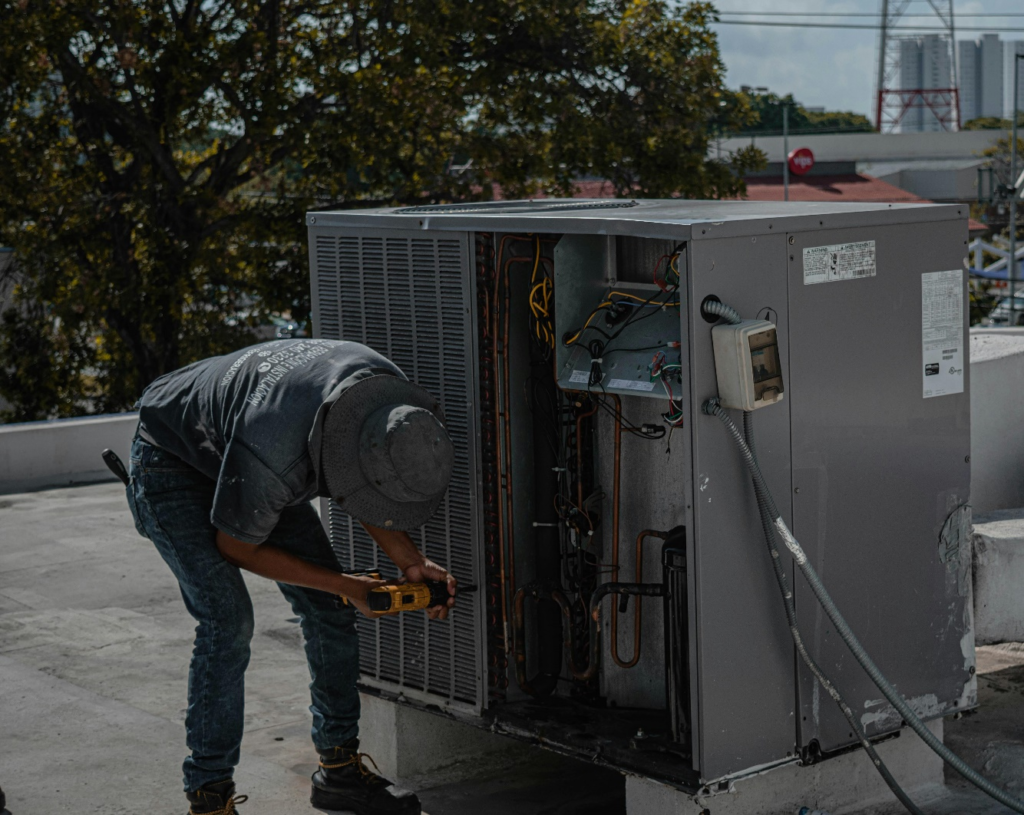
When we perform a central air installation, we also evaluate your existing ductwork for leaks, sizing issues, and airflow restrictions. We select equipment that matches your home’s demand. We position the outdoor condenser where airflow is unobstructed. We route refrigerant lines with minimal bends to preserve efficiency. After physical installation, our certified technicians complete the refrigerant setup to manufacturer specifications, test electrical connections, calibrate the thermostat, and verify airflow at every register. This multi-step process ensures your new system operates safely, efficiently, and reliably for years. If you’re planning an upgrade or new installation in Canton, call Air Pro for a professional load assessment and transparent estimate.
Choosing the Right System for Your Home
A proper central AC setup begins with sizing the system to match your home’s cooling needs—not a guess based on square footage alone, but a detailed load calculation that accounts for insulation, window placement, ceiling height, ductwork condition, and local climate. According to Carrier Residential, a general starting point is approximately 20 BTUs of cooling capacity for every square foot of living space, but that’s just the baseline. When we perform a load calculation, we measure heat gain from every source: sunlight streaming through west-facing windows, heat radiating down from an uninsulated attic, even body heat and appliances.
An undersized unit will run constantly without reaching your set temperature, wearing out the compressor years early. An oversized unit short-cycles—shutting off before completing a full cooling cycle—which leaves your home humid, uncomfortable, and racks up higher energy bills. That’s why proper sizing matters so much.
Beyond capacity, efficiency ratings determine how much electricity your system uses to deliver that cooling. SEER2 ratings (Seasonal Energy Efficiency Ratio, version 2) replace the older SEER scale and measure performance under real-world conditions. Higher SEER2 units cost more upfront but deliver lower monthly bills over the system’s 15- to 20-year lifespan. We help Canton homeowners weigh the payback period against their budget. Our team explains financing options when a higher-efficiency model makes long-term sense.
Equipment type matters, too. A single-stage compressor runs at full blast every time it starts. A two-stage or variable-speed compressor adjusts output to match demand, keeping temperatures steadier and humidity lower. We’ll walk you through the trade-offs during your in-home consultation, so you choose a system that fits your comfort priorities, your home’s layout, and your energy goals. Call Air Pro to schedule a load calculation and equipment recommendation tailored to your space.
The Central AC Setup Process
When we arrive at your home to install a new central air conditioning system, the process typically spans one to two days depending on the complexity of your project. Our crew begins by protecting your floors and staging equipment. Then we remove the old system if you’re replacing an existing unit. We inspect your existing ductwork for leaks, gaps, or sizing issues that could undermine efficiency. If modifications are needed, we’ll address those before connecting your new equipment. Ductwork that’s too small or poorly sealed can reduce airflow by 20 percent or more, so ensuring a proper match between your new system’s capacity and the distribution network is essential.
Next, we position and secure the outdoor condenser on a stable pad with proper clearance on all sides per code, including spacing from fences and walls. According to industry standards, condenser units require a dedicated electrical circuit to handle their load safely. Our licensed technicians coordinate any necessary electrical work with qualified electricians. Inside, we mount the air handler or furnace coil, connect refrigerant lines (pre-charged tubing that carries heat from inside to outside), run the thermostat wiring, and tie everything into your home’s electrical system.
After all connections are complete, our certified team completes the refrigerant setup to the manufacturer’s exact specification, powers up the system, and runs a multi-point commissioning check to verify airflow, temperature drop across the coil, and refrigerant pressures. The final step is air balancing — adjusting dampers in the ductwork to ensure each room receives its designed share of conditioned air. We walk you through the new thermostat’s features, answer any questions, and confirm that every zone in your home reaches the temperature you’ve set. If you have questions about the installation timeline or what to expect on setup day, call Air Pro and we’ll guide you through the entire process step by step.
What Affects Your Central AC Setup Timeline
When you’re ready to upgrade or replace your cooling system, understanding what shapes the installation timeline helps you plan around work schedules, vacations, and Georgia’s summer heat. Most residential central air conditioning installations take one to three days. Several factors determine where your project lands in that window.
The condition and layout of your existing ductwork play a major role. If your home already has ducts in good shape that match the new system’s airflow requirements, installation moves quickly. Homes that need significant duct modifications—sealing leaks, resizing trunk lines, or adding new runs to previously unconditioned rooms—require extra labor hours and careful sealing to meet efficiency standards. We also assess your electrical panel during the site inspection. Older homes in Canton sometimes need a panel upgrade or a dedicated circuit installation to safely handle a modern high-efficiency system. That work must be completed by a licensed electrician before the AC equipment goes in.
Permit requirements add time but protect your investment. Local building codes in Cherokee County require permits for new HVAC installations, and the inspection process ensures your system meets safety and efficiency standards. We handle the permitting and coordinate inspector availability, but approval timelines vary by season—summer is peak permit season. The complexity of your install also matters: a straightforward swap on a slab-mounted pad with accessible attic ducts moves faster than a unit tucked into a tight crawlspace or a split system requiring refrigerant line runs through finished walls. When we visit your home for the estimate, we walk through these variables so you know what to expect and can arrange time off if needed.
How Central AC Setup Differs from Replacement
If you’re weighing options for cooling your Canton home, understanding the difference between a first-time installation and a system replacement can help you set realistic expectations for timeline, scope, and what our team needs to prepare on-site.
When we install a central AC system in a home that’s never had one—or only relied on window units—we’re starting from the ground up. That means running new ductwork through walls, attics, or crawlspaces. It also means installing supply and return vents in each room, establishing a pad and electrical circuit for the outdoor condenser, and routing refrigerant lines (the insulated copper tubes that carry refrigerant between the indoor coil and outdoor unit) through walls or chases. This is where access, structural layout, and local building codes come into play. Every home is different, and we walk through each detail during the initial assessment.
Replacement, by contrast, leverages existing ductwork and electrical infrastructure. We remove the old equipment, confirm that ducts and line sets are still sound, then connect the new components. It’s faster and typically less invasive, though we may recommend duct sealing or sizing adjustments if your original system wasn’t matched correctly. Either way, our licensed technicians handle permits, load calculations, and final inspections to ensure everything operates safely and efficiently from day one.
Schedule Your Central AC Setup Consultation
When you reach out to Air Pro, we begin with a straightforward conversation about your home and cooling needs. We’ll ask about your square footage, how many floors you have, your current comfort challenges, and any specific concerns—whether that’s humidity control, zoning options, or energy efficiency goals. This initial discussion helps us understand your priorities before we ever step through the door.
During the in-home consultation, our licensed technicians walk through your space to assess window placement, insulation quality, existing ductwork condition, and electrical service capacity. We measure cooling load requirements and discuss equipment options that match both your budget and your home’s layout. You’ll receive a detailed quote that breaks down system selection, installation scope, and any modifications needed to existing infrastructure. We explain each line item, answer every question, and outline what happens on installation day—no pressure, just the information you need to make a confident decision.
Ready to explore your options? Call Air Pro today to schedule your consultation and start the path toward reliable, efficient cooling for your Canton home.
Frequently Asked Questions
How long does central AC setup take for a new installation?
Most central AC setup projects take one to three days, depending on your home’s layout, ductwork needs, and whether electrical upgrades are required. Homes without existing ducts take longer since we’re routing new supply and return lines through walls or attics. We assess your specific situation during the consultation and provide a realistic timeline so you can plan accordingly.
Do I need a permit for central AC setup in Canton?
Yes, Cherokee County requires permits for new central air conditioning installations to ensure the work meets local safety and efficiency codes. We handle the entire permitting process for you, coordinate inspector availability, and schedule the final inspection once installation is complete. This protects your investment and ensures everything operates safely from day one.
Can you install central air in a home that only has window units?
Yes—we install central AC systems in homes that have never had central cooling before. The process involves running new ductwork, establishing electrical service for the condenser, and mounting both indoor and outdoor equipment. Our team assesses your home’s structure during the consultation and designs a system that delivers consistent comfort throughout every room.
What size central AC system does my Canton home need?
The right size depends on a detailed load calculation that accounts for your square footage, insulation quality, window placement, ceiling height, and local climate conditions. We perform a professional Manual J calculation during your consultation to recommend the correct capacity, ensuring your system runs efficiently and lasts longer.