
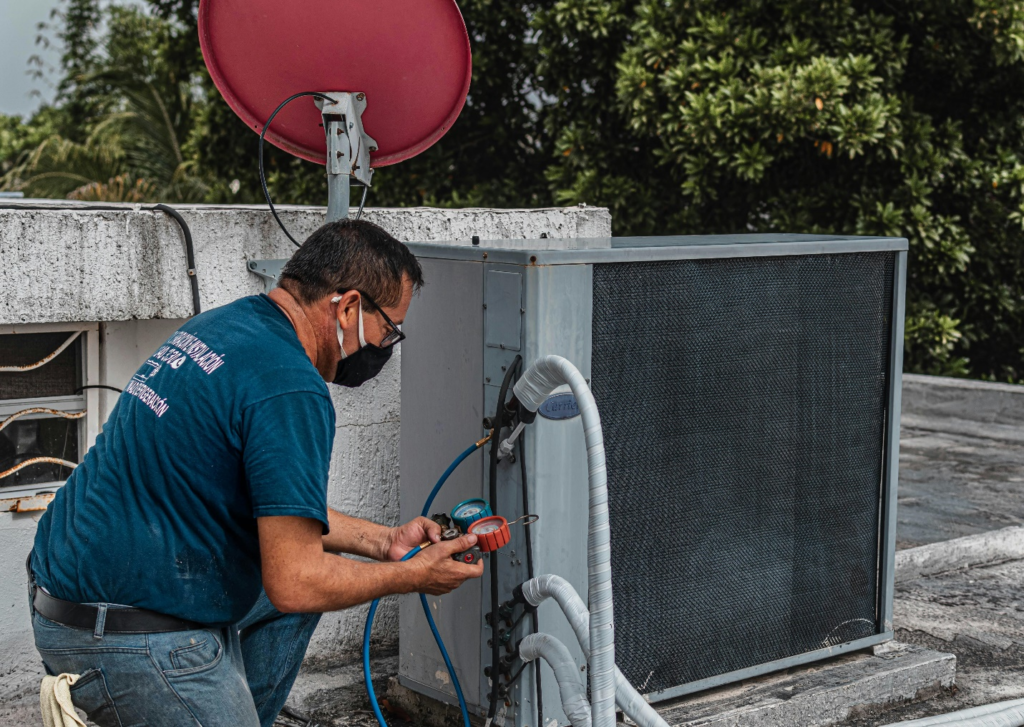
If your air conditioner isn’t cooling like it used to, the problem might be low AC refrigerant — the chemical that makes cold air possible in the first place. Refrigerant doesn’t just “run out” on its own, so a drop in level almost always points to a leak or another underlying issue that needs professional attention. Because refrigerant circulates in a sealed system under high pressure, handling it safely requires EPA certification, specialized tools, and an understanding of what’s really happening inside your unit. That’s why we’re here to help you recognize the warning signs, understand what causes refrigerant loss, and know when it’s time to call a licensed HVAC team for a proper diagnosis and repair.
What Is AC Refrigerant and Why It Matters
When you flip your thermostat to “cool” on a hot Canton summer day, refrigerant is the chemical doing the heavy lifting inside your air conditioning system. This specialized substance cycles continuously through your AC unit, absorbing heat from inside your home and releasing it outdoors. Without refrigerant, your system is just a fan. It can’t actually cool the air, no matter how hard it runs.
The EPA has also established regulations to phase down hydrofluorocarbons (HFCs), certain types of refrigerant that contribute to climate change, making it even more critical to repair leaks rather than simply topping off older systems with chemicals that may soon be restricted or unavailable.
Here’s what many homeowners don’t realize: according to the EPA, AC systems are sealed and should not require regular refrigerant refills unless a leak develops. If we’re adding refrigerant to your system, it means something has gone wrong. A refrigerant leak doesn’t just hurt your comfort. It forces your compressor to work harder, drives up energy bills, and can eventually cause expensive component failure. Low refrigerant also means reduced cooling capacity right when you need it most.
If your home isn’t cooling like it used to, or you notice ice forming on your outdoor unit, these are warning signs that refrigerant levels may be low. Our licensed technicians use specialized gauges and leak detection equipment to diagnose refrigerant issues safely and accurately. Then we repair the leak before recharging your system to factory specifications.
Signs Your AC May Be Low on Refrigerant
When your air conditioning system isn’t keeping your Canton home comfortable, low refrigerant may be the culprit. We’ve found that homeowners often notice their AC running constantly without achieving the desired temperature—a classic warning sign that something’s wrong with the refrigerant charge. Research shows that low refrigerant levels can significantly reduce cooling capacity. That explains why your system works harder yet delivers less comfort.
Other telltale symptoms include ice buildup on the refrigerant lines or evaporator coil. You might also see unusually high energy bills despite normal usage. Hissing or bubbling sounds near the outdoor unit often suggest a leak. Warm air blowing from your vents or reduced airflow throughout your home are additional red flags. Because refrigerant circulates in a closed system, low levels almost always indicate a leak rather than simple depletion.
If you’re experiencing any of these symptoms, we recommend calling our certified technicians right away. We use specialized tools to measure refrigerant pressure and locate leaks with electronic detectors. Then we determine the exact charge your system needs. Delaying this inspection can lead to compressor damage—a far more expensive repair than addressing a refrigerant issue promptly.
Common Causes of AC Refrigerant Loss
When we diagnose refrigerant issues in Canton homes, we’re almost always tracking down a leak. AC systems are sealed units designed to circulate the same refrigerant for their entire lifespan. The most common culprit we find is vibration-related wear at connection points, where copper lines meet service valves or indoor coil fittings. Over years of normal operation, these joints can develop microscopic cracks that allow refrigerant to escape slowly.
We also frequently discover corrosion-related leaks, especially on outdoor coil fins exposed to lawn chemicals, road salt tracked near the unit, or moisture trapped against metal surfaces. Factory defects, though less common, do occur—particularly in coil welds or brazed joints that weren’t properly completed during manufacturing. Physical damage is another frequent cause. A weed trimmer strike to refrigerant lines, hail impact on the condenser coil, or even pest activity can create sudden leaks.
According to the EPA, leak repairs must happen within 30 days of discovery, making prompt professional diagnosis essential. Our certified technicians use electronic leak detectors, ultraviolet dye, and pressure testing to pinpoint the exact location and severity of refrigerant loss. Once we’ve identified the source, we can recommend the most cost-effective repair strategy for your specific situation.
How Professionals Handle Refrigerant Issues
When you contact us for refrigerant concerns, our certified technicians follow a systematic approach that protects both your system and your family’s safety. We start with a thorough inspection using specialized leak detection equipment. Electronic sensors, UV dye, and pressure tests pinpoint even the smallest breach in your system. This diagnostic process is critical because simply adding more refrigerant without finding the leak wastes money and doesn’t solve the underlying problem.
Once we’ve identified the issue, we’ll explain exactly what’s needed. If there’s a leak, we’ll locate it, repair the damaged component—whether it’s a corroded line, failing valve, or compromised coil. Then we evacuate any moisture or contaminants from the system before recharging it to the manufacturer’s exact specifications. We handle refrigerant according to EPA regulations, which require proper certification, recovery equipment, and disposal methods that you simply can’t replicate with DIY approaches.
Our team also checks the entire system during this process. We look for related issues like compressor damage or restricted airflow that might have contributed to the problem. This comprehensive approach ensures your AC runs efficiently and safely for years to come.
Why DIY AC Refrigerant Work Isn’t Safe or Legal
Here’s something many homeowners don’t realize: working with AC refrigerant isn’t just difficult—it’s federally regulated. The EPA requires anyone who purchases, handles, or recovers refrigerant to hold Section 608 certification. This isn’t red tape for the sake of it. Refrigerants are potent greenhouse gases. Improper handling releases chemicals that damage the ozone layer and contribute to climate change. Venting refrigerant into the atmosphere can result in significant federal fines.
Beyond the legal issues, refrigerant poses serious safety risks. It’s stored under extremely high pressure, so mishandling can cause frostbite, chemical burns, or even asphyxiation in enclosed spaces. Refrigerant leaks can also mix with open flames to create toxic gases. Our certified technicians carry specialized gauges, recovery machines, and safety equipment specifically designed for these hazards. We also know how to identify why your system lost refrigerant in the first place. Simply adding more without fixing the leak wastes money and harms the environment.
When you suspect a refrigerant issue, the safest and only legal path forward is calling a licensed professional. We can properly diagnose, repair, and recharge your system.
Call Air Pro for Expert Refrigerant Service
When you notice warm air, ice buildup, hissing sounds, or higher energy bills, your AC system is telling you something’s wrong. Refrigerant issues don’t fix themselves. They get worse over time and can cause expensive compressor damage if ignored. Our licensed technicians have the EPA-certified training, specialized equipment, and experience to diagnose the exact cause of your cooling problems quickly and safely.
We don’t just top off refrigerant and hope for the best. Our team performs a complete system inspection to locate leaks, test pressures, check for contamination, and verify that your entire AC system is operating within manufacturer specifications. Whether you need a small leak repair or a full refrigerant recovery and recharge, we handle every job with precision and care. We serve homeowners throughout Canton, GA, and we’re ready to restore your comfort fast.
Don’t let a refrigerant problem turn into a total system failure. Call Air Pro today to schedule your expert AC inspection and get your home cooling efficiently again. Your comfort is our priority, and we’re here to help.
Frequently Asked Questions
How much does it cost to add AC refrigerant?
Refrigerant service costs vary depending on the type of refrigerant, amount needed, and the extent of repairs required. However, we always locate and repair the leak first. Simply adding refrigerant without fixing the source wastes money since it’ll leak out again. Our certified technicians provide upfront pricing after diagnosing your specific system’s needs.
Can I put refrigerant in my AC unit myself?
No, handling AC refrigerant requires EPA Section 608 certification and is illegal without it. Beyond federal regulations, refrigerant systems operate under extreme pressure and require specialized gauges, recovery equipment, and safety training. We’ve seen DIY attempts cause expensive compressor damage, personal injury, and environmental violations. Always call our licensed professionals for safe, legal refrigerant service.
How often does AC refrigerant need to be refilled?
AC systems are sealed units that never need refrigerant refills under normal operation. If your system is low on refrigerant, it means there’s a leak. We don’t simply top off refrigerant. Our technicians locate the leak, repair it properly, then recharge your system to manufacturer specifications so it lasts years without needing service again.
What happens if my AC is low on refrigerant?
Low refrigerant forces your compressor to work harder while delivering less cooling. This causes ice buildup on coils, higher energy bills, and eventual compressor failure. Your system may run constantly without reaching the set temperature. Our team uses specialized leak detection equipment to find the problem quickly and prevent costly damage before it worsens.